

Gentle Natural Solutions for Nappy Rash
Nappy rash is a common concern for many parents and carers. It can cause discomfort and distress for little ones, and finding a gentle, effective way to soothe and heal the skin is a priority. I’ve explored some natural approaches that work well without harsh chemicals or synthetic ingredients. These remedies focus on calming irritated skin and supporting its natural healing process.
Understanding Nappy Rash and Its Causes
Nappy rash happens when the delicate skin in the diaper area becomes inflamed. This can be due to several reasons:
Prolonged exposure to wetness or urine
Friction from nappies or wipes
Sensitivity to soaps, detergents, or diaper materials
Introduction of new foods causing changes in stool acidity
Bacterial or yeast infections
The skin in this area is thin and sensitive, so it needs extra care. Using harsh products can sometimes make the rash worse. That’s why natural solutions are often the best choice.

How to Care for Nappy Rash Naturally
Here are some practical steps to manage and prevent nappy rash using gentle, natural methods:
Change nappies frequently: Keeping the area dry is key. Change nappies as soon as they are wet or soiled.
Use warm water and soft cloths: Avoid wipes with alcohol or fragrances. Warm water and a soft cloth clean gently without irritation.
Let skin breathe: Give your baby some nappy-free time each day to air out the skin.
Apply a natural barrier cream: Apply Diaper Rash oil with calendula & olive oil, then apply Ubuntu Boudjie Salf & then sprinkle Natural Zinc Starch & Boracid powder to create a protective layer.
Choose breathable nappies: Cloth nappies or those made with natural fibres can reduce moisture build-up.
Avoid harsh soaps and detergents: Use mild, fragrance-free products for washing clothes and skin.
These simple habits support skin health and reduce the chance of rash developing.
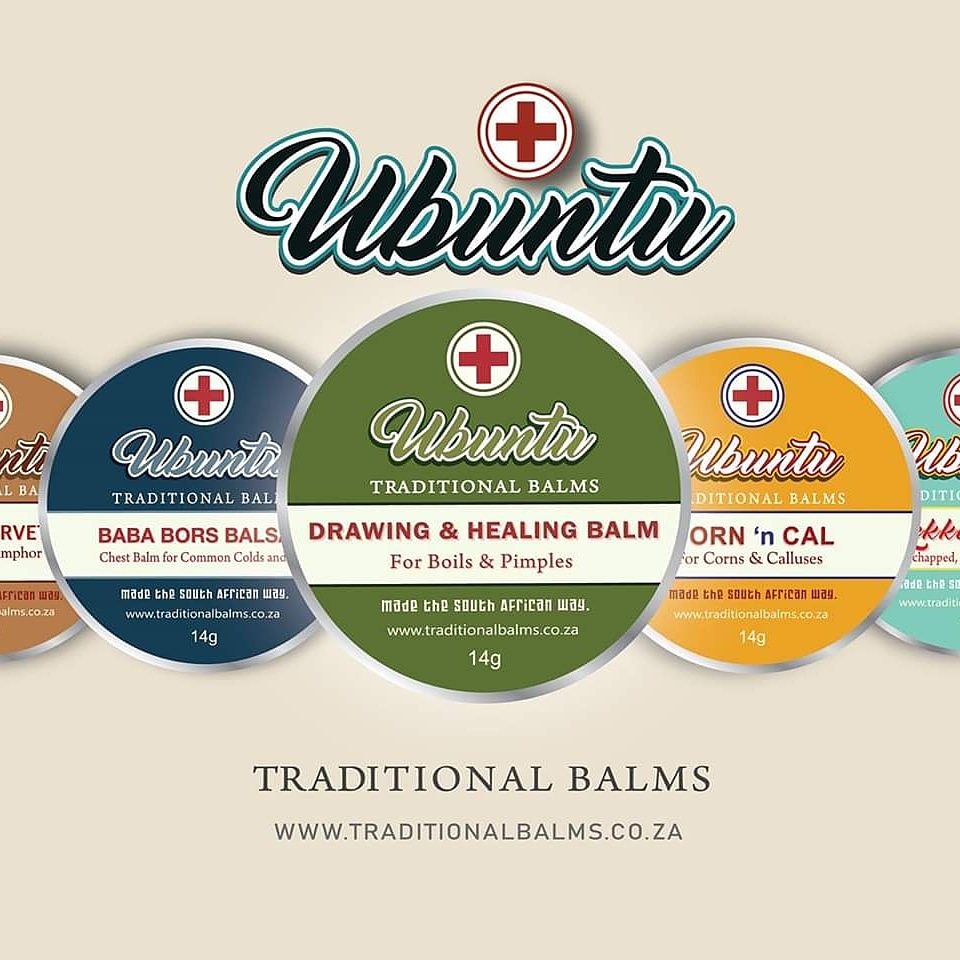
Ubuntu Traditional Balms Nappy Rash Balm
This balm is made with a blend of natural oils and herbs, including friars balsam, lanolin & zinc oxide. It’s free from synthetic fragrances and harsh chemicals. The balm forms a soft barrier that helps keep moisture away while nourishing the skin.
Soothes redness and irritation
Supports skin healing with natural ingredients
Easy to apply and absorbs well
You can find more details about this balm here.

Natural balms with herbs offer gentle care for delicate baby skin.
When to See a Doctor
While natural remedies work well for most mild cases, it’s important to watch for signs that need medical advice:
Rash that worsens or spreads
Presence of blisters, pus, or open sores
Fever or signs of infection
Rash lasting more than a week despite treatment
If you notice any of these, consult a healthcare professional promptly.
Final Thoughts on Gentle Natural Care
Nappy rash can be tough to handle, but gentle natural solutions offer a comforting way to help little ones heal. Using products like the Ubuntu Traditional Balms Nappy Rash Balm.
This treatment supports skin health without harsh chemicals. Alongside good hygiene and care habits, these remedies can make a real difference.
If you’re looking for a trusted, time-tested natural nappy rash treatment, exploring traditional balms is a great place to start. They honour a legacy of natural healing and bring peace of mind to families seeking safe, effe
Soft baby skin benefits from gentle natural balm for nappy rash relief.
Remember, every baby is different. What works well for one might not suit another. Keep an eye on your little one’s skin and adjust care as needed. Natural remedies offer a kind, nurturing way to support your baby’s comfort and health. 🌿👶
Disclaimer: This post is for informational purposes only and does not replace professional medical advice. If you have concerns about your baby’s skin or health, please consult a healthcare provider.


Comments