

Happy Heritage Day! Exploring Traditional Remedies in South Africa
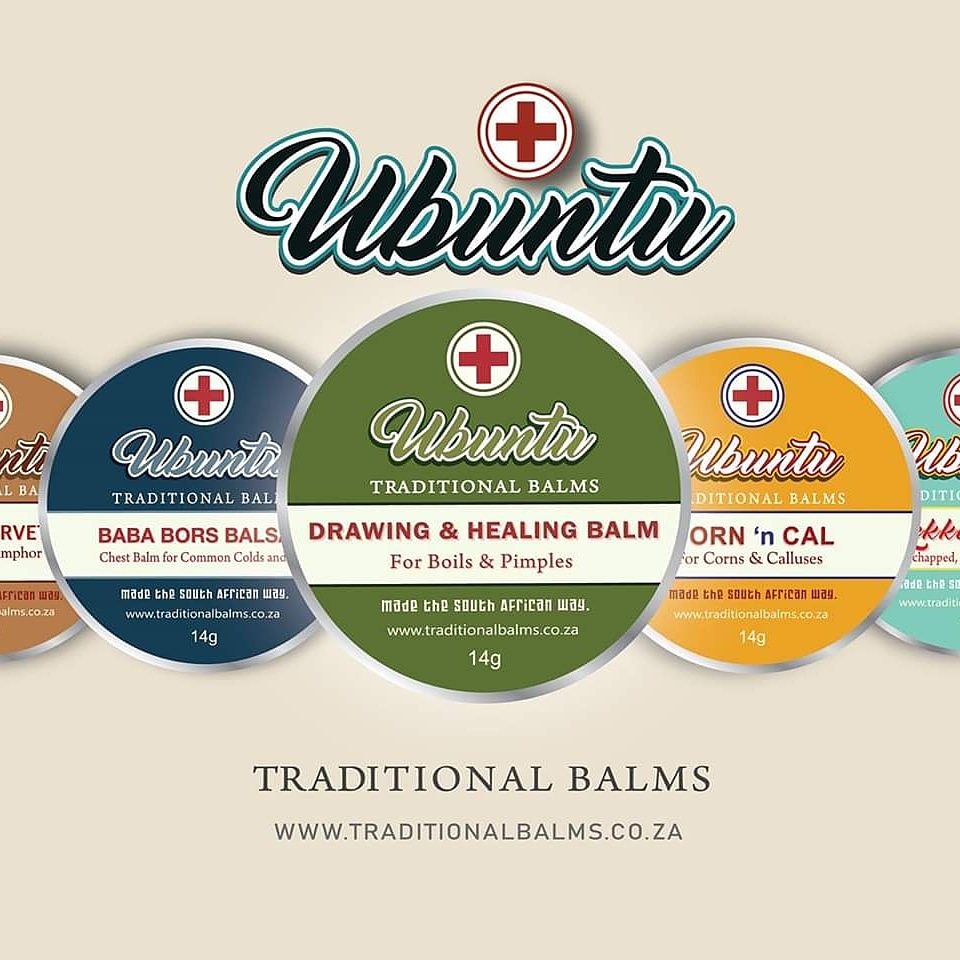
When I think about the rich heritage of South Africa, my mind drifts to the vibrant landscapes, the diverse cultures, and most importantly, the age-old wisdom passed down through generations. One of the most fascinating aspects of this heritage is the use of South African herbal remedies. These natural treatments have been cherished for centuries, offering healing and comfort in the most organic way possible. Today, I want to take you on a warm, inviting journey through these traditional practices, sharing stories, insights, and practical tips that you can bring into your own home.
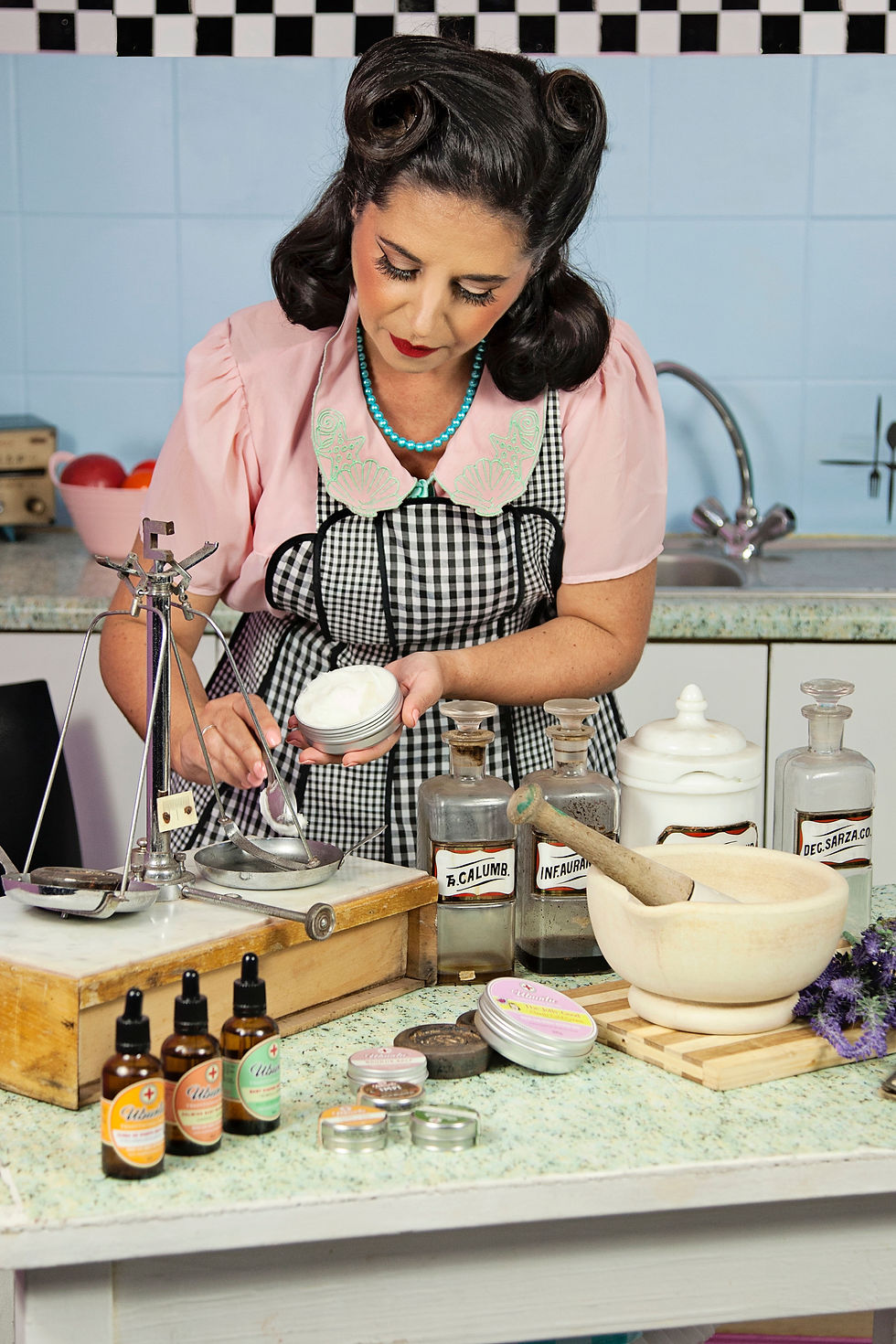
The Rich Heritage of South African Herbal Remedies
South Africa is home to a treasure trove of medicinal plants. From the arid Karoo to the lush forests of the Eastern Cape, nature has provided a vast pharmacy for those who know where to look. The indigenous people, including the Zulu, Xhosa, and Sotho communities, have long relied on these plants to treat everything from common colds to more complex ailments.
What makes these remedies so special is their deep connection to the land and culture. Each plant carries a story, a purpose, and a method of preparation that has been refined over centuries. For example, the rooibos plant, native to the Western Cape, is not only a beloved tea but also a powerful antioxidant-rich remedy for skin irritations and digestive issues.
If you’re curious about incorporating these natural solutions into your daily life, you might want to explore traditional remedies that are crafted with respect for this heritage and modern quality standards.
South African Herbal Remedies: What You Should Know
When we talk about South African herbal remedies, we’re referring to a wide range of plants and preparations. Here are some of the most popular and effective ones:
Aloe ferox: Known as Cape aloe, this succulent is famous for its soothing gel, which helps with burns, wounds, and skin hydration.
Buchu: A fragrant leaf used traditionally to treat urinary tract infections and digestive problems.
Honeybush: Similar to rooibos, this plant is brewed into a tea that supports respiratory health and relaxation.
Sutherlandia frutescens: Often called the cancer bush, it’s used to boost the immune system and combat stress.
These remedies are often prepared as teas, tinctures, balms, or poultices. The beauty lies in their simplicity and accessibility. You don’t need a pharmacy full of chemicals to find relief—just a little knowledge and respect for nature’s gifts.

What Are Traditional Home Remedies?
Traditional home remedies are natural treatments made from ingredients found in your kitchen or garden, often passed down through families. In South Africa, these remedies are more than just quick fixes; they are part of a lifestyle that honours balance and harmony with nature.
For example, a simple infusion of rooibos tea can calm an upset stomach or soothe a cough. Applying aloe vera gel directly from the plant can relieve sunburn or minor cuts. Even the humble garlic bulb is used to fight infections and boost immunity.
Here are some easy-to-make remedies you can try at home:
Rooibos and honey tea for colds and sore throats.
Aloe vera gel applied to burns or insect bites.
Buchu tea to support kidney health.
Warm compresses with crushed Sutherlandia leaves for muscle pain.
These remedies are gentle, effective, and a wonderful way to connect with the wisdom of the past.
How to Incorporate South African Herbal Remedies into Your Daily Life
Bringing these remedies into your home doesn’t have to be complicated. Start small and build your herbal toolkit gradually. Here’s how:
Grow your own herbs: Many South African medicinal plants like aloe and buchu can be grown in pots or gardens.
Buy from trusted sources: Look for reputable suppliers who respect traditional methods and quality, such as Ubuntu Traditional Balms.
Learn preparation methods: Whether it’s brewing a tea or making a balm, understanding the right way to prepare herbs is key.
Keep a remedy journal: Track what works for you and your family, noting any effects or preferences.
Remember, these remedies are meant to complement modern healthcare, not replace it. Always consult a healthcare professional if you have serious health concerns.

Embracing the Future of Traditional Healing
There’s something deeply comforting about returning to nature for healing. It reminds us of simpler times when families gathered around fires, sharing stories and remedies passed down through generations. Today, brands like Ubuntu Traditional Balms are working hard to bring these traditional remedies into modern homes, honouring a multi-generational pharmaceutical legacy while expanding their reach.
By embracing these natural solutions, we not only care for our bodies but also preserve a vital part of South African culture. It’s a beautiful blend of past and present, science and tradition, nature and nurture.
So why not start your own journey with South African herbal remedies today? Your body, mind, and soul will thank you.
If you’re interested in exploring more about these natural treasures, check out Ubuntu Traditional Balms for authentic products that carry the spirit of South Africa’s healing heritage. 🌿✨


Comments